
DOCUMENT ENCOUNTERS WHILE THEY HAPPEN. SIGN NOTES MINUTES LATER
Charting after hours exists because documentation happens separately from care. Amplify by Harris CareTracker uses AI powered ambient listening to capture the entire encounter, generate structured clinical notes automatically, and suggest billing codes with transcript evidence. Stop typing. Start listening to patients again.
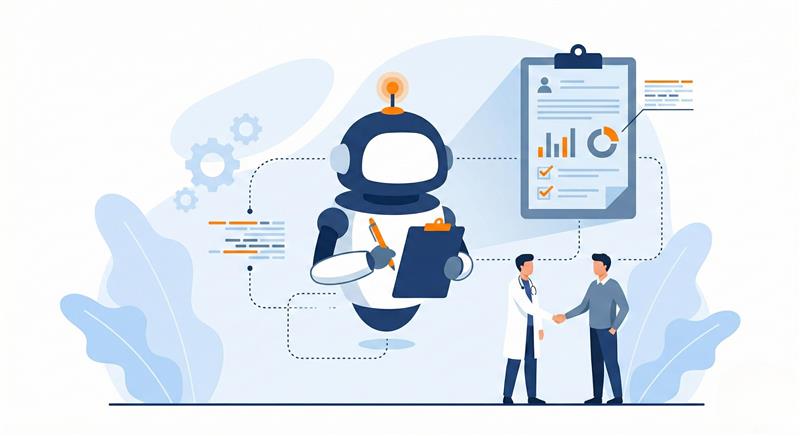
Why Choose Us?

HIPAA-Compliant Ambient Documentation

End-to-end Encryption

Complete Audit Logging

Seamlessly Integrated with Harris CareTracker EHR
Documentation Delays Steal Hours You Will Never Recover
Twenty-minute patient visit. Forty minutes documenting what happened. This equation destroys work life balance.
You remember the conversation. You know the diagnosis. You understand the treatment plan. But typing it into structured templates takes longer than the actual clinical encounter. Notes pile up. Lunch gets skipped catching up. Evenings disappear finishing charts. Weekends include documentation cleanup.
Every hour spent charting after the fact is an hour stolen from patients, family, or rest.
Amplify eliminates the delay. Record the encounter using your phone or computer. AI transcription captures every clinical detail with speaker separation distinguishing your voice from the patient’s. Structured summaries generate automatically. Review and sign in minutes instead of hours. Documentation finishes before the next patient arrives.
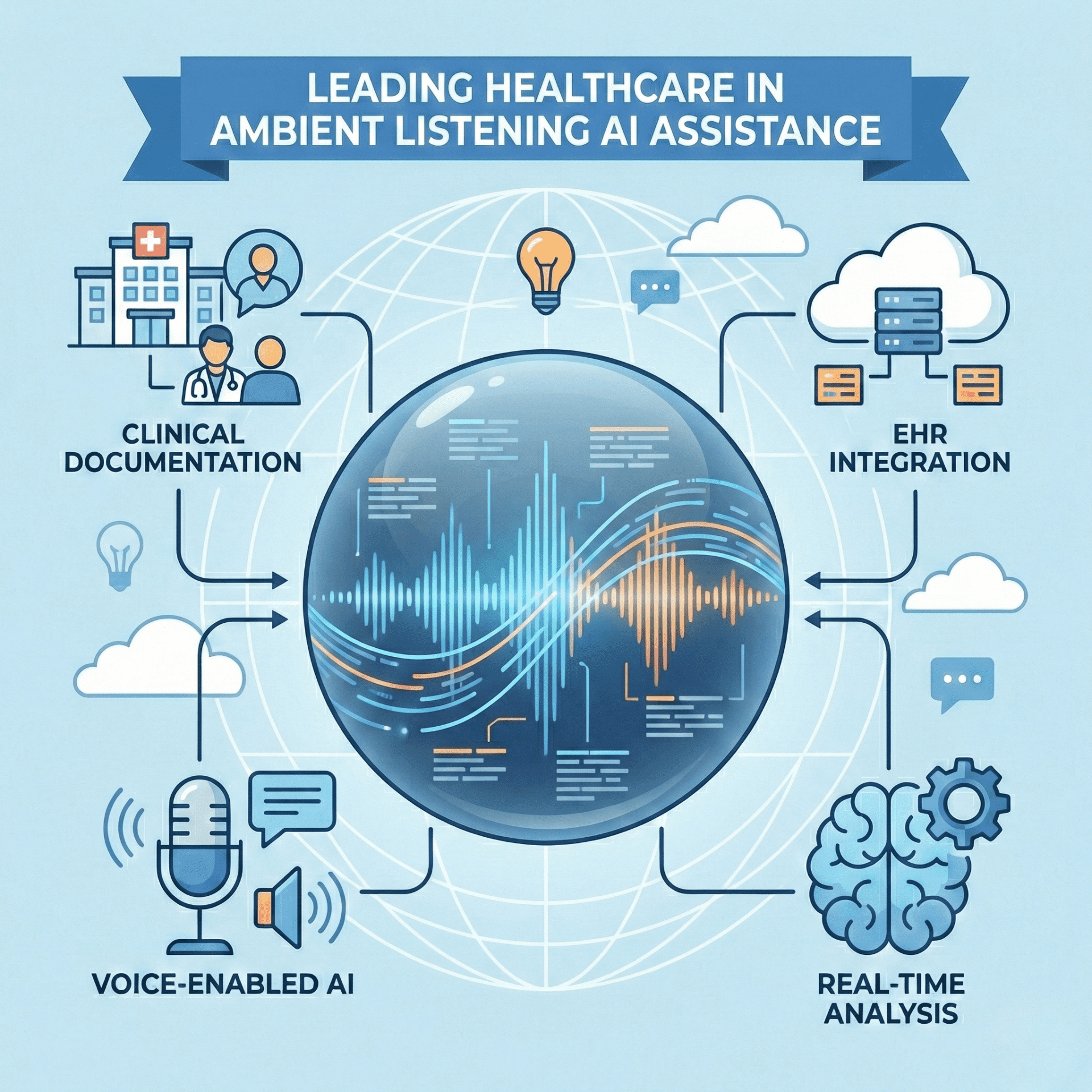
Ambient Listening that Actually Integrates with Your Clinical Workflow
Standalone recording tools create new problems. Another platform to log into. Audio files sitting unprocessed. Transcripts requiring manual transfer into your EHR. Amplify operates differently. Encounters sync automatically from Harris CareTracker scheduling. Recording happens in the same platform where you chart. Generated notes flow directly into patient records. No platform switching. No manual file management. No workflow disruption.

Encounter driven workflow eliminating setup friction
Patient appointments sync from your EHR automatically. Encounter details populate including patient name, chief complaint, visit type, and provider assignment. Click record. Start the visit. Everything else happens automatically.

High quality ambient recording with speaker identification
Record in person visits using your computer or phone. Capture telehealth encounters through the same interface. AI transcription separates your speech from patient responses automatically. Medical terminology recognition handles clinical vocabulary accurately.

Structured clinical summaries with completeness indicators
AI generates summaries organized into ten clinical sections including Chief Complaint, HPI, Past Medical History, Medications, ROS, Treatment, and Plan. Each section shows capture status. Fill gaps using quick dictation or typing without reprocessing the entire recording.

Draft note generation with coding assistance
Generate SOAP notes for routine visits or detailed H and P style documentation for complex encounters. AI suggests diagnostic and procedure codes with transcript evidence and confidence levels. Review. Edit. Sign. Documentation completes in minutes.
How Documentation Happens from Encounter Through Signed Note
Amplify workflows integrate with Harris CareTracker practice management and EHR so ambient documentation becomes part of your normal clinical routine instead of adding separate steps.
Step 1: Encounter synchronization
Patient appointments flow from Harris CareTracker scheduling into your Amplify encounter list automatically. Encounter details including patient demographics, visit type, chief complaint, and provider assignment populate without manual entry.
Step 2: Ambient recording
Start recording using web interface or mobile app when the patient arrives. Audio captures continuously or with one tap depending on configuration. Timer and visualization confirm recording status. Pause if needed. Stop when the visit concludes. Upload happens automatically.
Step 3: AI transcription with speaker separation
Transcription begins immediately after upload. Speaker diarization distinguishes clinician speech from patient responses. Medical terminology recognition handles clinical vocabulary. Processing continues even if you navigate away to see the next patient.
Step 4: Clinical summary generation
AI produces structured summary organized into Chief Complaint, HPI, Past Medical History, Medications, Family History, Social History, ROS, Psychiatric History, Treatment, and Plan. Each section shows capture status indicating whether content was identified in the conversation.
Step 5: Clinician validation and augmentation
Review generated summary. Fill gaps using section level dictation where AI missed details. Edit content using rich text editor. Approve or reject medical entities extracted from the transcript. Control what flows into the final note.
Step 6: Note generation, code review, and signing
Generate draft note in SOAP or H and P format. Review suggested diagnostic and procedure codes with transcript evidence supporting each recommendation. Edit as needed. Sign using password, PIN, or biometric authentication. Note locks. Digital signature applies. Audit trail records the event.
Capture Clinical Encounters wherever Care Happens
In person office visits. Telehealth consultations. Hospital rounds. Amplify ambient recording works across clinical settings using web browser or mobile device. High quality audio capture with real time visualization. Controls to pause, stop, or cancel. Secure upload and processing beginning automatically when recording stops.
Recording Features
- Web and mobile recording interfaces
Record using desktop computer, laptop, tablet, or smartphone. Same interface and controls across devices. Recording syncs automatically when connectivity returns if internet drops temporarily.
- In person and telehealth support
Position microphone to capture both clinician and patient in office settings. Use headset microphone for telehealth to improve audio quality and speaker separation. Recording workflow adapts to visit modality.
- Real time audio visualization
Timer shows recording duration. Audio waveform confirms microphone is capturing sound. Visual feedback prevents silent recordings from technical issues like muted microphone or wrong input device.
- Secure processing and storage zax
Audio uploads over encrypted connection after recording stops. Processing begins immediately generating transcript and clinical summary. Audio and transcript retention follows configurable policy with deletion timelines meeting HIPAA requirements.
Medical Grade Transcription Optimized for Clinical Vocabulary
General purpose transcription tools struggle with medical terminology, specialty specific language, and clinical abbreviations. Amplify transcription is trained on healthcare conversations. CPT codes transcribe correctly. Medication names capture accurately. Specialty jargon converts without errors. Speaker identification separates your clinical assessment from patient history automatically.
Transcription Capabilities
- Speaker differentiation without manual labeling
AI distinguishes physician speech from patient responses automatically. Transcript shows who said what without requiring you to identify speakers during or after recording. Clinical summary generation uses speaker context to organize information correctly.
- Medical terminology and specialty recognition
Transcription accuracy optimizes for clinical vocabulary including anatomy, procedures, medications, and diagnoses. Specialty performance varies but high volume primary care, behavioral health, and common specialties perform strongly.
- Entity extraction and validation
Medical intelligence identifies clinical entities including diagnoses, medications, procedures, symptoms, and findings from the transcript. Each entity shows category, transcript context, and speaker attribution. Approve entities to include in note generation and coding. Reject to exclude.
- Transcript review with conversation context
View complete transcript with speaker labels and timestamps. Search for specific terms. Review context around extracted entities. Verify AI interpretation against actual conversation when validating clinical content.
Structured Summaries Showing What AI Captured and What Needs Attention
Raw transcripts require reading and organizing manually. Amplify clinical summaries structure information into standard clinical sections automatically. Each section includes capture status showing whether content was identified in the conversation. Not Captured status indicates gaps requiring clinician input through dictation or typing.
Summary Structure
- Ten clinical sections with capture indicators
Chief Complaint, History of Present Illness, Past Medical History, Medications, Family History, Social History, Review of Systems, Psychiatric History, Treatment, and Plan organize with clear status for each section.
- Gap identification and completion tools
Not Captured status appears when AI cannot identify content for a section because discussion did not occur, audio quality prevented recognition, or clinical detail was implied rather than stated explicitly. Use section level dictation to fill gaps without reprocessing entire recording.
- Quick dictation for missing details
Click microphone icon next to any section. Speak additional information. AI transcribes immediately and adds content to that section. Supplement ambient capture with targeted dictation where needed without starting over.
- Rich text editing for manual additions
Type directly into any section using editor with formatting controls. Add physical exam findings not verbalized during visit. Insert test results reviewed after encounter. Customize content before generating final note.
Draft Clinical Notes in SOAP or H and P Format Ready for Review
Clinical summaries organize information, but final documentation requires note format your EHR accepts. Amplify generates draft notes in SOAP structure for routine encounters or detailed History and Physical style for new patients and complex visits. Generation takes 10 to 20 seconds. Review. Edit. Sign.
Generation Capabilities
- SOAP note format for routine visits
Subjective, Objective, Assessment, and Plan sections generate from clinical summary content. Appropriate for follow up visits, acute complaints, and standard office encounters where brief format meets documentation requirements.
- H and P style for complex encounters
Detailed History and Physical format generates for new patient visits, consultations, and complex cases requiring comprehensive documentation. Extended sections support medical necessity and billing compliance.
- Clinician responsibility for final content
Generated notes are drafts requiring physician review. Legal responsibility for documentation accuracy remains with signing clinician. Review every section before finalizing. Edit as needed. Sign only when content is complete and accurate.
- Regeneration and section editing
Regenerate individual sections if initial draft misses key details. Edit within the note using rich text controls. Add information discussed after the recording stopped. Finalize documentation matching actual clinical encounter.
Suggested Codes with Transcript Evidence and Confidence Levels
Accurate coding determines reimbursement. Amplify analyzes clinical documentation and suggests diagnostic and procedure codes with supporting evidence from the encounter transcript. Each suggestion includes confidence level, description, and exact conversation excerpt justifying the code. Review. Approve. Edit. Submit claims with documentation supporting every code.
Coding Features

Diagnostic and procedure code suggestions
AI reviews clinical summary and transcript then suggests ICD 10 diagnostic codes and CPT procedure codes appropriate for the documented encounter. Suggestions appear with code description and billing relevance.

Evidence linked recommendations
Each suggested code includes transcript excerpt showing where supporting documentation appears in the conversation. Speaker attribution confirms whether clinician stated the diagnosis or patient reported the symptom. Context helps validate code appropriateness.

Confidence level indicators
High, medium, or low confidence levels help prioritize review. High confidence codes supported by clear documentation and explicit clinical statements. Low confidence codes require closer validation before approval.

Approve, reject, or edit workflow
Review each suggested code. Approve codes with strong support. Reject inappropriate suggestions. Edit codes needing modifier or different specificity level. Control exactly what submits with the claim.
Lock Documentation with Digital Signature and Audit Trail
Signing Process
- Identity confirmation with multiple authentication options
Confirm identity using password, PIN, or biometric authentication on mobile devices including Face ID, Touch ID, or fingerprint recognition. Security level matches healthcare documentation requirements.
- Digital signature application
Digital signature applies to finalized note after identity confirmation. Signature includes timestamp, clinician identifier, and signature method. Meets electronic signature standards for medical records.
- Note locking and record integrity
Signed notes lock preventing further edits. Permanent storage begins. Documentation becomes part of legal medical record. Changes after signing require addendum through standard EHR processes.
- Audit trail recording
Complete audit trail captures signing event including who signed, when signature occurred, authentication method used, and document state at time of signature. Supports compliance audits and legal discovery.
HIPAA Controls Protecting Patient Information Throughout Workflow
Ambient listening handles sensitive patient conversations requiring strict security and privacy controls. Amplify delivers end to end encryption, secure cloud storage, role based access controls, and complete audit logging. HIPAA compliance integrates into every workflow step instead of requiring separate security procedures.
Security Capabilities
- End to end encryption
Audio recordings encrypt during upload. Transcripts and clinical summaries encrypt at rest. Data transmission uses encrypted connections. Patient contact information displays encrypted in interfaces. Encryption protects throughout workflow.
- Role based access controls
Provider role can record, review, edit, generate notes, review codes, and sign. Staff role can view encounters and read transcripts but cannot record, edit, or sign. Admin role manages users, organization settings, and encounter assignments. Permissions enforce appropriate access.
- Multi factor authentication options
Optional MFA delivers six-digit code via SMS, authenticator app, or email. Biometric authentication available on mobile devices. Session duration configures with automatic logout protecting shared devices.
- Complete audit logging
Access events, edits, note generation, code reviews, and signing actions log with user identifier, timestamp, and activity type. Audit trails support compliance reviews, security investigations, and legal requirements.
- Patient consent and transparency
Recording instructions emphasize obtaining patient consent before starting ambient capture. Inform patients that recording serves documentation purposes. Respect opt out requests. Pause or disable recording when patients decline.
Connected Workflow with Harris CareTracker EHR and Practice Management
Standalone ambient tools create integration headaches. Export files manually. Copy paste into EHR. Track which encounters have documentation. Amplify integrates directly with Harris CareTracker eliminating workflow gaps. Encounters sync automatically. Notes flow into patient records. Coding exports to billing. Everything connects.
Automatic encounter synchronization
Patient appointments scheduled in Harris CareTracker populate Amplify encounter list automatically over secure API connection. Patient demographics, visit details, chief complaint, and provider assignment flow without manual entry.
Provider matching and routing
Encounters route to correct clinician using provider ID from EHR. Platform matches provider ID to user account automatically. Administrators manually assign unmatched encounters and link users to external provider identifiers.
Encounter list with workflow status
View today’s encounters, upcoming appointments, and recent visits from unified dashboard. Filter by date and documentation status. Workflow states include Ready, Recording, Transcribing, Validation in Progress, Note Ready, Note Generated, and Signed.
Seamless documentation flow
Generated notes insert into Harris CareTracker patient records automatically. Signed documentation becomes part of permanent medical record. Billing codes export to revenue cycle workflows. Integration eliminates manual transfers between systems.
Audio Quality Determines Transcription Accuracy and Note Completeness
Ambient listening depends on capturing clear audio. Background noise, poor microphone placement, and connectivity issues reduce transcription quality and clinical summary completeness. Following best practices improves results and reduces validation time.
Recording Best Practices
Microphone Selection and Placement
Use device microphone or external mic positioned to capture both clinician and patient clearly. Telehealth encounters benefit from headset microphones improving audio quality and speaker separation. Test before first patient encounter.
Environment and Noise Management
Minimize background noise from hallways, medical equipment, or other conversations. Close exam room doors. Turn off noisy devices when possible. Quiet environments produce better transcription.
Connectivity and Device Readiness
Verify microphone permissions before recording. Test device detection. Ensure stable internet connection for upload and processing. Review troubleshooting guidance for common failure modes including permission issues and browser compatibility.
Speech Clarity and Pacing
Speak clearly when documenting clinical findings. Pause briefly between topics. State medications and dosages explicitly. Clear speech improves entity extraction and reduces validation corrections.
Pilot before Broad Rollout to Validate Specialty Performance
Ambient listening performs differently across specialties, visit types, and clinical environments. Primary care and behavioral health typically see strong results. Complex multi problem visits and highly technical specialties may require more validation. Pilot with small provider group before organization wide deployment.
Select 3 to 5 providers representing target specialties and visit types. Train on recording best practices. Use Amplify for 2 to 4 weeks documenting typical patient mix. Measure time savings and validation burden.
Track minutes from visit end to signed note. Measure edit time per encounter. Survey providers on workflow satisfaction. Compare ambient documentation time against baseline manual charting. Validate accuracy and completeness.
Adjust recording practices based on pilot feedback. Refine workflows for specialty specific needs. Train additional providers in phases. Monitor performance across broader user base. Support continues through scaling.
Initial training covers recording techniques, validation workflows, entity review, note generation, and signing procedures. Ongoing support addresses questions, troubleshoots issues, and shares best practices as usage expands.
Performance Varies by Encounter Complexity and Clinical Vocabulary
Performance Factors
- High performance scenarios
Primary care wellness visits, acute single problem encounters, behavioral health sessions, and follow up visits with straightforward documentation typically generate complete summaries requiring minimal validation.
- Moderate performance scenarios
Multi problem visits, specialty consultations with moderate technical vocabulary, and encounters with structured exam findings may need targeted dictation filling gaps where ambient capture missed details.
- Challenging scenarios
Procedure documentation with real time steps, highly overlapping speech from multiple speakers, extremely technical specialty jargon, and encounters in noisy environments produce transcripts requiring significant clinician augmentation.
- Pilot validation importance
Pilot validation importance Test ambient listening with your actual patient mixes before broad deployment. Measure validation time honestly. Compare time savings against manual documentation baseline. Deploy broadly only when pilot proves net efficiency gain.
When Ambient Listening Delivers Clear Value
Amplify works best for providers spending significant time on documentation after encounters conclude. High volume practices. Clinicians regularly charting evenings and weekends. Providers losing productivity to typing instead of patient interaction. Ambient listening creates value when time savings exceed validation effort.
Ideal Use Cases
- High volume primary care: Providers seeing 20 plus patients’ daily benefit from documentation acceleration. Simple visit structure and routine complaints generate complete summaries. Time savings compound across patient volume.
- Behavioral health practices: Session documentation captures patient statements and clinician observations effectively. Mental health billing software integration streamlines note creation and coding for therapy encounters.
- Telehealth encounters: Recording telehealth visits preserves clinical conversation without separate note taking during video consultation. Review and validate documentation after visit concludes without recall burden.
- Providers with documentation backlogs: Clinicians regularly finishing charts hours after shifts end see immediate benefit. Documentation happens during clinical day instead of extending into personal time.
Why EHR Integrated Ambient Listening Beats Standalone Tools
Standalone ambient recorders create workflow gaps. Separate login. Manual file upload. Transcript copy paste into EHR. No encounter context. Amplify integrates with Harris CareTracker eliminating these friction points. Encounters sync automatically. Recording happens in clinical workflow. Notes flow directly into patient records.
INTEGRATION ADVANTAGES
Amplify Integrated Approach
- Encounters sync from EHR scheduling automatically
- Recording happens in same platform as charting
- Generated notes insert into patient records directly
- Coding exports to billing workflows seamlessly
- Single login accessing clinical and documentation tools
- Audit trail spans encounter through signed note
Standalone Recorder Limitations
- Manual encounter creation for every patient
- Separate application requiring additional login
- Audio file management and upload responsibilities
- Copy paste transcripts into EHR manually
- Coding suggestions disconnected from billing
- Audit trail gaps between recording and documentation
Transparent Pricing Based on Provider Usage
Amplify pricing structures per provider with volume based models available for larger practices and medical groups. No hidden fees. No surprise charges. Pricing includes ambient recording, AI transcription, clinical summary generation, note creation, coding assistance, and integration with Harris CareTracker EHR.
Pricing Model
- Per provider monthly or annual subscription
- Volume discounts for group practices
- Implementation and training included
- Ongoing support and updates covered
- Free medical billing software demo available
Stop Charting After Hours. Start Documenting During Encounters.
Amplify Ambient listening reduces your documentation workload that is stealing your evenings and weekends. Amplify will record patient encounters and generates structured clinical notes. Review and sign in minutes. Documentation finishes before your next patient arrives.
Reclaim time stolen by manual charting. Get your life back.
FAQs
How secure is ambient listening with my EHR, and who has access to the recordings?
Is ambient listening really HIPAA compliant and safe for sensitive conversations?
Does ambient listening actually save time, or does it just change the type of work?
How accurate are the notes, diagnoses, and billing codes generated by ambient AI scribes?
What happens to consent, are patients told that AI is listening and recording the visit?
Does ambient listening change the medico-legal risk or malpractice exposure?
Will this technology improve burnout, or will it just add another layer of tech overhead?
How does ambient documentation handle noisy environments, interruptions, and multiple speakers?
Which ambient listening AI scribe vendors work best in practice, and how do they compare?
Does ambient listening work for all medical specialties and visit types?
How much does ambient listening cost compared to traditional documentation methods?
Can ambient listening be turned off for sensitive visits or patient requests?
Does ambient listening require special hardware or equipment in exam rooms?
How long does it take to train staff on ambient listening technology?
Will ambient listening documentation be accepted by payers and auditors?
What Our Customers Say About Us
We chose Harris CareTracker for our office because of its cost-effectiveness and since changing to them, we have seen a significant increase in our monthly savings. The standout feature has been the excellent customer support and training!

Tara Warnock
Billing Specialist | Naples Vascular Specialists
It’s really easy to use Harris CareTracker Practice Management. Very easy to learn.

Lauren O'Brien
Billing Manager | New England OB/GYN
We have used Harris CareTracker in our practice for 5 years, and it has been a wonderful experience. The trainers and on-going support teams are knowledgeable, accessible, and quick to respond to queries. They provided easy-to-follow step-by-step guidance for using the software. They never failed me. I highly recommend CareTracker for practices of any size.
Linda S. Erickson
Billing Specialist | John A. Nassar, MD
Get Started Today
Connect With Us
Where here for anything you need, just drop a line and we’ll get back to you.