
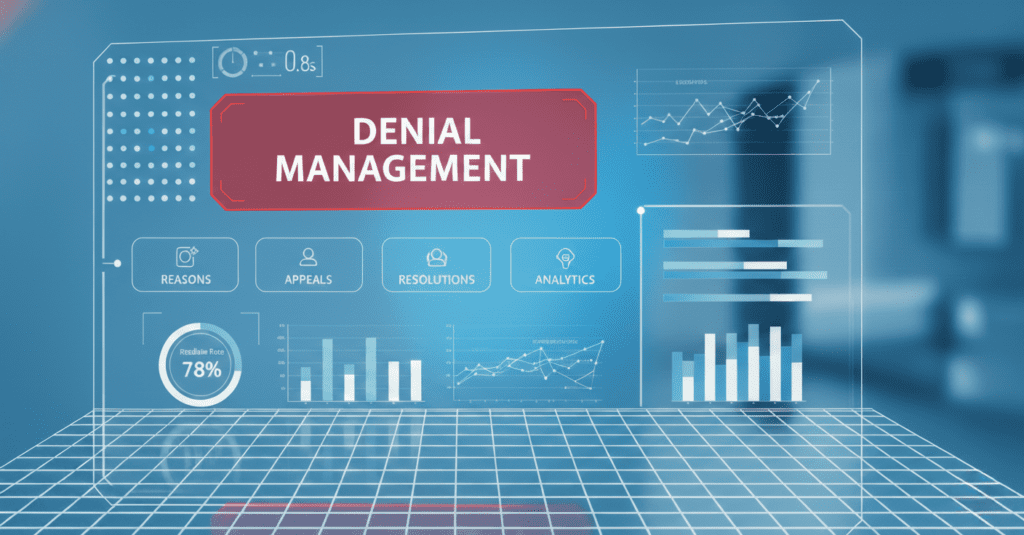
The Difference Between Rejections and Denials
Understanding the distinction between rejections and denials is essential for effective back end management because each requires a different operational response. Rejections are typically technical or formatting errors identified by clearinghouses before a claim reaches the payer adjudication system. While they do not count as formal payer decisions they interrupt claim flow and delay cash realization. Denials occur after a claim has been accepted by the payer and reviewed against coverage policies or medical necessity criteria. Denials are more costly because they consume staff time and often require formal appeal to recover payment.
Moving Beyond Claim by Claim Firefighting
Effective denial management requires structured root cause analysis rather than reacting to individual claims as isolated events. Treating denials as system signals transforms the process into a continuous improvement engine. High performing organizations categorize denials by type and origin point in the revenue cycle to enable targeted corrective action. This analysis helps identify whether issues stem from registration training or authorization workflow redesign or coding education. Without systematic tracking these patterns remain hidden and recur across billing cycles.
The Strategic Role of Appeals
Appeals represent the formal process of challenging payer denials based on documentation and contractual rights. While viewed as a recovery function they also reinforce organizational credibility and signal to payers that denials will be scrutinized.
- Prioritization: Clear prioritization ensures staff effort is directed toward denials with the highest likelihood of recovery and greatest financial impact.
- Standardization: Standardized appeal templates reduce variation and shorten preparation time.
- Triage: Strategic triage is essential because low dollar denials with weak support may cost more to pursue than they yield.
- Feedback Loops: Tracking outcomes provides insight into payer behavior and internal process gaps which informs improvements to reduce future denial volume.
Denial Prevention as a Discipline
Performance at the back end reflects the quality of all upstream decisions including patient access and coding. Sustained improvement in first pass resolution is often one of the earliest measurable outcomes of optimization efforts. Organizations that approach these operations as a managed discipline achieve greater predictability and financial control. By resolving root causes organizations can recover revenue that would otherwise be written off.
How HARRIS CareTracker Supports Denial Management
HARRIS CareTracker approaches denial management as both a prevention and recovery discipline.
- Proactive Identification: Potential issues are identified earlier in the process to reduce the likelihood of claims being denied.
- Structured Workflows: When denials occur the system supports structured review and resolution workflows for faster correction and resubmission.
- Intelligent Rules Engine: An advanced billing rules engine applies payer and policy logic to evaluate claims for accuracy before submission.
- Actionable Detail: The platform provides dashboards that surface root causes and performance gaps to support daily decision making and accountability.